
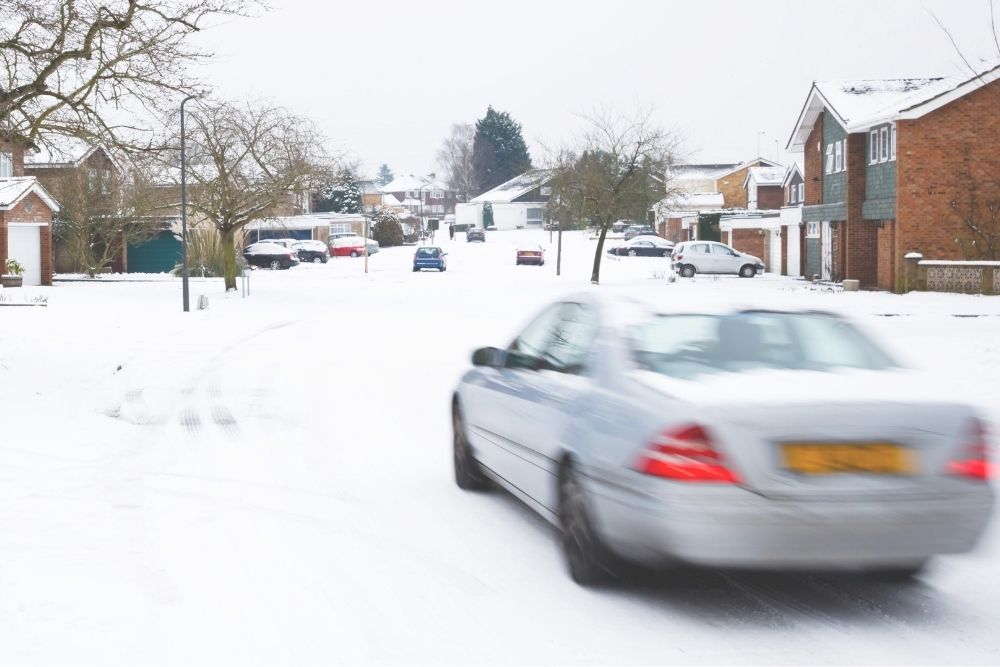
Winter driving hints and tips – what to do in the event of an accident
October 7, 2026Autumn and winter bring darker mornings and evenings, rain, fog, frost and low winter sun – all of which can make driving more challenging.
Good preparation, more cautious driving and knowing what to do after an accident can all help you deal with winter journeys more safely.
Prepare your car for winter driving
A few straightforward checks can make a real difference before winter weather arrives:
- checking that your car’s lights, tyres, wipers and screen wash are in good working order;
- keeping windows, mirrors and lights clean and free from winter grime and debris;
- carrying useful emergency items such as a torch, fully charged phone and power bank, warm clothing and de-icer;
- contact us for a car breakdown insurance quote if you don’t have it already.
Driving safely on darker winter journeys
Darker journeys can mean reduced visibility, wet or icy roads and glare from a low winter sun.
Allow more time for your journey, adjust your speed to the conditions and increase the distance between you and the vehicle ahead.
Where possible, avoid driving through standing water on flooded roads when you cannot judge its depth or whether it is safe to pass.
What should you do after a car accident?
Even careful drivers can be involved in an accident, so it is worth knowing the steps to take before you need them. You can also check the official GOV.UK guidance on what to do after an accident.
If you are involved in an accident:
- stop as soon as it is safe to do so;
- switch off the engine if appropriate and use your hazard warning lights to warn other traffic;
- check for injuries and call the emergency services if necessary;
- exchange the required details with anyone who has reasonable grounds to ask for them. If you do not give your name and address at the scene, report the accident to the police as soon as reasonably practicable and, in any case, within 24 hours. Different requirements apply where someone is injured, so check the official guidance.
What information should you collect?
Once everyone is safe and any necessary emergency help has been called, gather the information you may need afterwards.
Record the names, addresses and contact details of those involved, insurance details, witness details, and the date, time and location of the incident. It can also help to note the weather, road and lighting conditions and, if it is safe to do so, take photographs of the scene and any damage.
Contact your insurer
Tell your insurer about the accident as soon as possible, even if you do not intend to make a claim. Your policy wording should explain how and when an incident must be reported. Alan Blunden customers can also see our Report a claim page for details of how we can assist.
Whether damage to your own vehicle or property is covered will depend on the type of motor insurance you have and the policy terms, conditions, limits and exclusions.
Preparing for winter driving
A few checks before winter sets in – and a clear idea of what to do if something goes wrong – can make a difficult situation easier to manage.
If you are involved in an accident, deal with injuries and immediate safety first, exchange or gather the necessary details and notify your insurer or broker promptly.
Further reading: Getting your car prepared for winter.