
What is a mixed-use property?
June 3, 2026In the UK, a mixed-use property is one in which both commercial and residential uses are housed under the same roof.
Mixed-use properties are common throughout the UK and may take many different forms. Examples include:
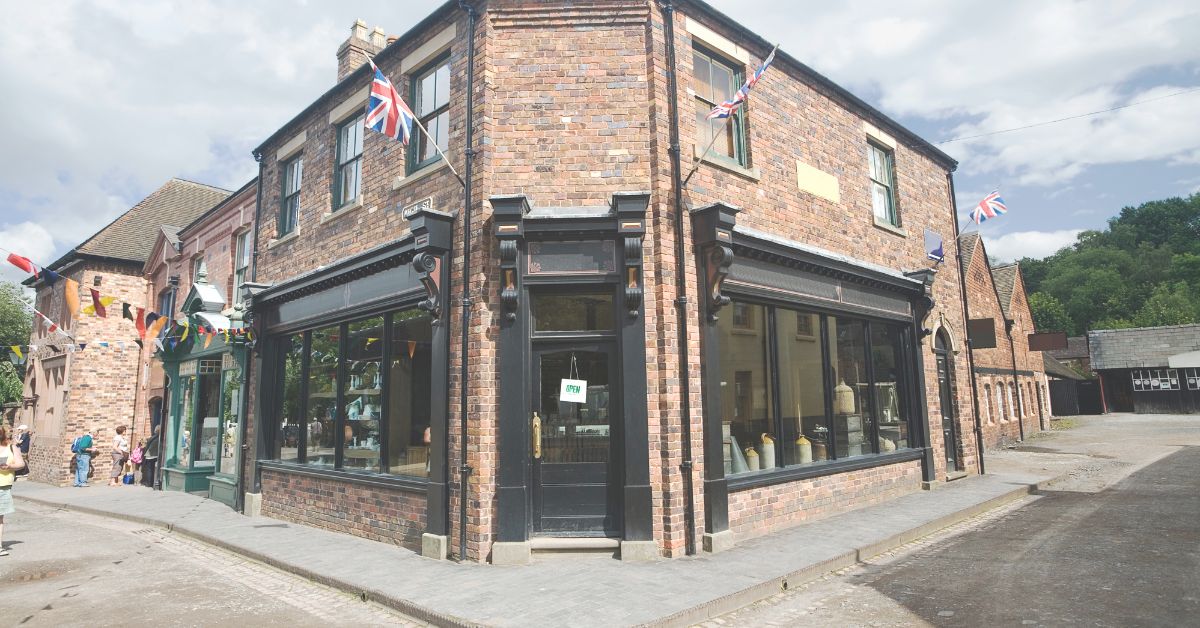
- a high street shop with a self-contained flat above;
- a pub, restaurant, or café with living accommodation for the owner or manager;
- offices on the ground floor with residential flats above;
- a property where part of the building is used as a home and part as a business premises;
- a farmhouse with agricultural buildings, workshops, holiday lets, or commercial units on the same site; and
- a converted building containing both residential apartments and commercial units.
Because each mixed-use property combines different residential and commercial risks, insurance requirements may vary considerably.
Why standard insurance may not be enough
The mixed use of the premises may complicate the type of property insurance required. Should it be insurance for commercial or residential use? The answer, of course, is that both aspects need the protection of suitable insurance cover.
Yet the risks associated with commercial use are quite different to those for a dwelling. For that reason, specialist mixed-use insurance is required because it recognises the unique blend of risks involved. That is something that standard residential, commercial, or landlord insurance policies may not always be designed to address on their own.
What is mixed-use property insurance?
Mixed-use properties come in many different forms, creating a wide variety of insurance requirements. Mixed-use property insurance is therefore similarly varied and may be tailored to suit different configurations. Typically, though, the principal elements of cover may include:
- buildings insurance – to protect the structure and fabric of the whole building;
- contents insurance – which may help protect the contents of the residential and commercial parts of the property, depending on the cover arranged;
- property owners’ liability insurance – which may provide protection against claims arising from injury to third parties or damage to their property, depending on the policy terms and conditions;
- cover for loss of rental income following an insured event, subject to policy terms, conditions, limits, and exclusions; and
- cover that extends to the communal areas of the premises that may be used by both residential and commercial users.
Note that policy limits and exclusions typically apply.
Common risks in mixed-use buildings
Mixed-use properties face many of the same risks and perils as other types of property.
Mixed-use property insurance may provide cover for risks such as fire, flooding, storm damage, escape of water, impacts, vandalism, and theft, depending on the policy arranged.
But it may also extend to protection against those risks more likely to be encountered in mixed-use properties – such as those associated with the specific business activities of commercial tenants, public access to the building as a whole, and the likelihood that commercial units fall vacant from time to time.
Lender and lease requirements
You might be tempted to arrange standard residential, landlord, or commercial property insurance. As we have seen, however, none of these may be suitable for a mixed-use property – with the result that any subsequent claim may be compromised or rejected.
That may leave you substantially out of pocket if you need to make good any losses.
But you may also be in breach of requirements of mortgage lenders, lease conditions, or covenants on freehold property for appropriate insurance to be maintained at all times.
Why specialist mixed-use property insurance cover is often needed
When weighing up your proposal for cover, insurers consider many factors. In the case of mixed-use property, this may include assessments about the risks associated with commercial occupants and the nature of their business.
The construction, layout, and configuration of the property between residential and commercial units might also come into play. If any part of the property is currently unoccupied – or likely to be in the future – this may also be taken into account.
Seek help
Insuring your mixed-use property may appear more complicated than usual. So, you may wish to speak to a specialist broker – such as us here at Alan Blunden – about suitable insurance options for mixed-use properties.
Further reading: Mixed residential and commercial buildings: insurance challenges explained.